Best free data recovery software for Windows
Free file-recovery tools for Windows compared: Recuva, Windows File Recovery, TestDisk, PhotoRec and Disk Drill — what each recovers and where it stops.
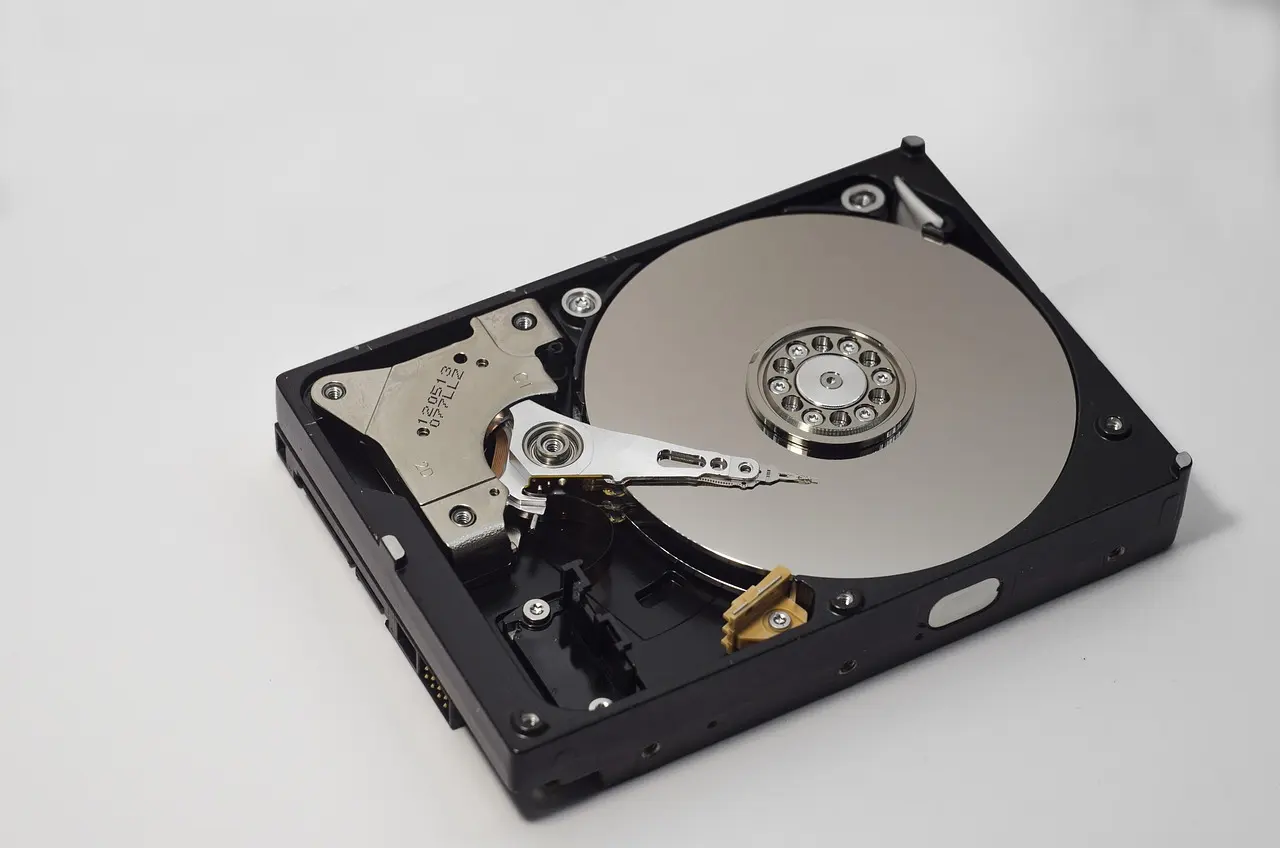
If you just deleted an important file or lost one to a formatted drive, free software can often bring it back — but only if you move carefully. Two things matter more than which tool you pick: stop writing to the affected drive right away, and try the free and built-in options before you pay for anything. Here is an honest look at the third-party tools worth knowing, what each one actually does, and where each one stops. Every free tool covered here still runs on Windows 11 in its current build — Recuva 1.55, Microsoft’s Windows File Recovery, TestDisk and PhotoRec 7.2, and Disk Drill 6 — so none of them is abandonware you have to work around.
Start with the built-in methods
Before you install anything, work through our guide to recovering deleted files on Windows. The Recycle Bin, File History, and previous versions cost nothing and don’t risk overwriting the very data you’re trying to save. Reach for a recovery tool only when those come up empty.
The golden rule: the moment you notice a file is gone, stop using that drive. Deleted data isn’t wiped immediately — the space is just marked reusable, and every new file you save can land on top of it. If the lost file lived on your C: drive, that means you should not install recovery software onto the same drive. Download the tool to a USB stick or a second disk and run it from there. And try free tools before paid ones; a paid upgrade is worth considering only after a free scan shows your files are actually recoverable.
The free tools, honestly
Each of these is genuinely free, at least for a real amount of work. None can promise a specific file back — recoverability depends on whether the data has already been overwritten, which no software controls.
| Tool | Best for | Free? |
|---|---|---|
Recuva | Simple undelete of recently deleted files | Yes, free version |
Windows File Recovery (winfr) | Microsoft’s own recovery, official and safe | Yes, from the Microsoft Store |
TestDisk / PhotoRec | Lost partitions and signature-based file carving | Yes, open source, no size cap |
| Disk Drill | Guided scan with preview before you recover | Up to 100 MB on Windows |
Recuva
Recuva, from the makers of CCleaner, is the friendliest starting point on Windows. It opens with a wizard that walks you through picking a file type and location, and it offers an advanced deep-scan mode when a quick scan misses things. The free version handles ordinary undelete jobs — documents, pictures, music, email. There is a paid Professional version, but most single-file recoveries never need it.
Windows File Recovery
Microsoft makes its own tool, Windows File Recovery, free from the Microsoft Store on Windows 10 and Windows 11. It is a command-line program: you run winfr from an elevated prompt and choose a mode — Regular for recently deleted files on a healthy NTFS drive, or Extensive for a slower, more thorough pass that also covers other file systems. It works only on local drives, not cloud storage or network shares. There is no graphical window, but it is official, safe, and costs nothing.
TestDisk and PhotoRec
TestDisk and PhotoRec are open source under the GPL and completely free, with no size cap. TestDisk rebuilds lost or damaged partitions and can make a non-booting disk bootable again. Its companion PhotoRec ignores the file system and recovers files by their signatures, which is why it works across many formats — not just photos, despite the name — and on cameras, memory cards, and USB sticks. Both are menu-driven command-line tools, so they take more patience than Recuva, but they are powerful and they run on Windows, macOS, and Linux.
Disk Drill (free tier)
Disk Drill, from Cleverfiles, has a polished, guided interface and lets you scan and preview recoverable files before you commit. The catch is the free limit: on Windows it recovers up to 100 MB of data before asking you to buy a license. That is fine for a few documents and tight for photos or video. Use the free preview to see what is actually there, then decide whether paying is worth it.
What free tools won’t do
Free software recovers data; it does not repair failing hardware. If a drive is clicking, dropping offline, or throwing read errors, a physical failure may be underway and every scan adds wear — that is a case for a professional service, not another download. Free tiers also cap what you can restore (Disk Drill) or hand you the command line (winfr, TestDisk). And nothing recovers what has already been overwritten, which is why the “stop using the drive” rule outranks the choice of tool.
The real fix is not needing them
Recovery software is a rescue, not a plan. The dependable protection is a routine backup — see how to back up your files properly — so a lost file is a copy away instead of a scan away. It also helps to watch drive health: a disk that is slowly dying often shows up first as a sluggish PC or repeated errors, and that is your cue to copy everything off it while you still can.
Common questions
Is Recuva still supported and safe to use on Windows 11?
Yes. Recuva is current (version 1.55) and runs on Windows 11, from Windows XP upward. It is now owned by Gen Digital, and the free version handles ordinary undelete jobs; only heavier recoveries push you toward the paid Professional edition.
How much can Disk Drill recover for free on Windows?
On Windows, Disk Drill’s free tier recovers up to 100 MB before it asks you to buy a license. That is enough for a few documents but tight for photos or video, so it is best used to preview what is recoverable before you decide whether to pay.
Does Windows have a built-in file recovery tool?
Yes. Windows File Recovery is Microsoft’s own free tool for Windows 10 and 11, installed from the Microsoft Store. It is command-line only — you run winfr from an elevated prompt — and it works on local drives, not cloud storage or network shares.
Can free software recover files from a failing or clicking hard drive?
No, and trying can make things worse. Recovery software restores deleted data; it cannot fix hardware. A drive that clicks, drops offline, or throws read errors needs a professional service, because every extra scan adds wear to a disk that is already dying.